
The Rise of Modern Zen: China’s 2026 Salon Revolution and the Architecture of Silence
In the rapid, neon-lit pulse of China’s tier-one cities, a silent revolution is taking place within the walls of the premium beauty industry. By 2026, the frantic energy of traditional hair and beauty hubs has been replaced by a design philosophy rooted in “Modern Zen.” This shift marks a move away from the ostentatious luxury of the past toward a minimalist, holistic sanctuary that prioritizes mental well-being as much as physical transformation. For the urban elite in Shanghai, Beijing, and Chengdu, the high-end salon has become the ultimate escape—a curated “void” where the chaos of the metropolis is systematically filtered out.
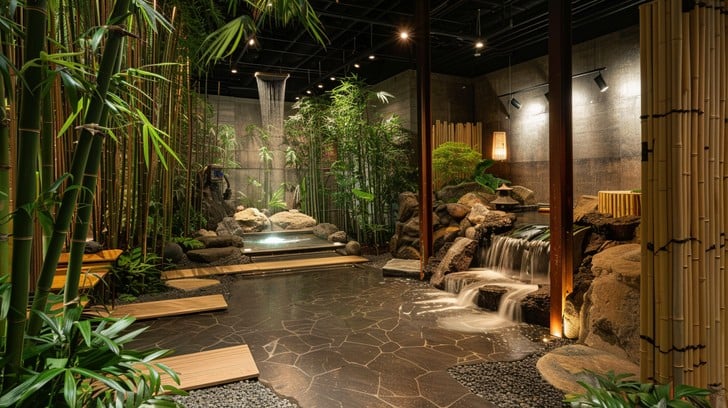
The hallmark of this 2026 aesthetic is a radical commitment to negative space. Architects are utilizing “wabi-sabi” principles infused with high-tech precision. Interior surfaces are dominated by micro-cement, reclaimed timber, and natural stone, creating a tactile environment that grounds the visitor. The visual noise of cluttered product shelves and tangled wires is eliminated through seamless, hidden storage solutions. This architectural restraint forces the focus onto the individual’s internal experience, transforming a routine haircut or skin treatment into a meditative ritual.
Light and air are treated as primary materials rather than afterthoughts. Moving away from the harsh, clinical glare of previous decades, 2026 salons utilize smart circadian lighting systems. These installations mimic the soft, shifting hues of natural sunlight, transitioning from a crisp morning glow to a warm, amber twilight as the day progresses. This biological synchronization helps reset the client’s nervous system the moment they step inside. Complementing this is the integration of olfactory branding; the air is no longer heavy with the scent of chemical treatments, but instead infused with subtle, custom-blended aromatherapies featuring notes of sandalwood, moss, and white tea, delivered through silent, medical-grade filtration systems.
Furthermore, the layout of these spaces has evolved from communal benches to “private pods.” In 2026, privacy salonduva.com is the highest form of luxury. Acoustic engineering ensures that even in a busy district, the salon remains a “dead zone” for city noise, replaced by the faint, rhythmic sound of indoor water features or ambient low-frequency soundscapes.
This evolution is a direct response to the “burnout culture” of the 2020s. As digital saturation reaches its peak, the modern Chinese consumer views beauty services as an essential pause button. The Zen-inspired salon of 2026 is not merely a place of vanity; it is a vital infrastructure for urban sanity. By blending ancient minimalist philosophies with futuristic sensory technology, these spaces offer more than a new look—they provide a renewed sense of self.
Leave a Reply