
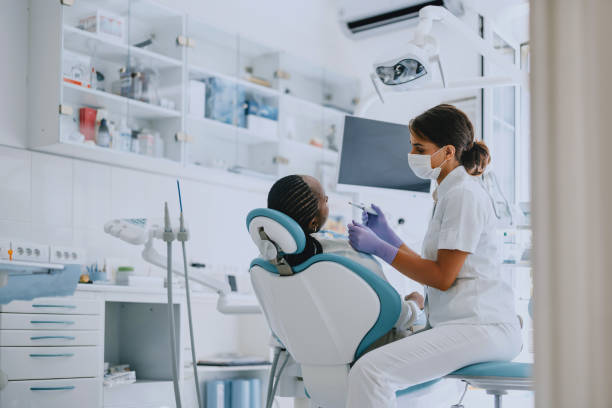
Most people consider dental care as a twice yearly cleaning service. However, advanced dental care in Brooklyn extends beyond that. It observes the interaction between your teeth, gums, bite and jaw and corrects the small issues before they become emergencies. Orthodontics treatment is one of the most important aspects of that larger picture. For parents preparing for a child or an adult who has always wanted straighter teeth, it’s important to grasp how everything fits together so they can make better decisions.
What Advanced Dental Care Really Means
“Advanced” doesn’t have to mean complicated or expensive. It means your dentist uses modern tools and a long-term plan instead of patching problems as they show up.
In practice, that often includes:
- Digital X-rays and 3D scans for a clearer view of your teeth and jaw
- Early detection of bite problems, decay and gum disease
- Coordinated care between a general dentist and specialists
- Treatment plans built around your goals, not a one-size-fits-all template
- Comfort-focused options for patients who feel nervous in the chair
The big shift is from reacting to preventing. A problem caught early is usually quicker, cheaper and gentler to treat.
Why Orthodontic Treatment Is More Than Cosmetic
That’s only part of the story as straight teeth look great. When the teeth are crowded or misaligned, they become difficult to clean and allow the build-up of the plaque in difficult places. This increases the likelihood of tooth decay and gum disease over time. Bad bite can also cause some tension in the jaw, headaches, and uneven tooth wear.
Ortho can correct these problems by moving teeth in a healthier direction. This gives a more comfortable and easier to chew smile. A great many patients also feel an added sense of confidence, a priceless benefit.
Common Problems Orthodontic Treatment Can Fix
- Crowded or overlapping teeth
- Gaps between teeth
- Overbites, underbites and crossbites
- Teeth that don’t meet properly when you close your mouth
Options Available to Brooklyn Patients
Today’s choices go well beyond the metal braces you may remember.
- Traditional braces: Still the most reliable option for complex cases.
- Clear aligners: Nearly invisible and removable, which suits busy adults.
- Ceramic braces: Tooth-colored brackets that blend in with your smile.
- Retainers: Essential after treatment to keep your results in place.
Each option has trade-offs in cost, visibility and treatment time. The right pick depends on your bite and lifestyle, not on what’s trending.
Is It Only for Teenagers?
Not at all. Adults are becoming more and more common orthodontic patients. Say, many Brooklyn professionals opt for clear aligners as they can move around their work, commute and social plans without a hitch, while healthy teeth can move at any age. The most important criteria is healthy gums and bone, and your dentist will examine this first..
When Other Specialists Join the Team
“Advanced care” is not necessarily “expert care.” Suppose that a tooth has extensive decay or a tooth infection close to the nerve. If so, your dentist might suggest a referral to an endodontist, a specialist in root canal therapy and helping to save a damaged tooth
Why This Matters Before Braces
It’s smart to resolve hidden problems before you start moving teeth. An endodontist can treat an infected tooth first, so your orthodontic treatment doesn’t run into surprises halfway through. Think of it like fixing the foundation before renovating the house.
Warning Signs You Shouldn’t Ignore
See your dentist promptly if you notice:
- Lingering pain when you bite or chew
- Sensitivity to hot or cold that doesn’t fade
- Swelling or tenderness around a tooth
- A tooth that is slowly darkening
These can point to problems that need an endodontist’s attention, and they’re much easier to handle before braces go on.
What to Expect During Orthodontic Treatment
Typically, the initial steps involve a consultation, X-rays and impressions or digital scans. Your dentist then outfits a plan with a suggested timeline. Adjustments are usually every few weeks or a new set of aligners every few weeks. It is normal and usually passes quickly to have mild soreness in the first few days
Practical Tips Before You Begin
- Book a full exam first. X-rays show what’s happening beneath the surface.
- Ask about timelines. Treatment can range from several months to a couple of years.
- Discuss the total cost. Ask what insurance covers and whether payment plans are available.
- Commit to aftercare. Wearing your retainer is what protects your investment.
- Keep brushing and flossing. Braces and aligners need extra cleaning attention.
Questions to Ask Your Dentist
- Which option suits my bite and lifestyle?
- Do I need any other treatment before starting?
- What happens if a tooth needs specialist care along the way?
- How often will I need appointments?
Final Thoughts
Great dental care isn’t just about fixing what’s broken. It’s creating a mouth where you don’t have to be concerned about health issues in the future for years. Orthodontics can straighten your smile and enhance your bite, and when you have the right professionals on your team – such as your endodontist if necessary – you’re getting care planned, not improvised.
If you’re thinking about pursuing more complicated dental services in Brooklyn, then it’s best to begin by having a comprehensive consultation. Having a clear plan makes each step a lot easier
Leave a Reply