
Breeding cats comes with great responsibility, especially when caring for fragile newborn kittens. The neonatal stage is the most critical period in a kitten’s life, where even minor health issues can quickly become life-threatening. One of the most concerning conditions breeders must understand is Fading Kitten Syndrome. Early awareness, proper care, and quick intervention can make a significant difference in survival rates and overall kitten health.
Understanding Fading Kitten Syndrome in Neonates
Fading Kitten Syndrome refers to the gradual decline of a newborn kitten’s health during its first few weeks of life. Neonates may appear healthy at birth but begin to weaken, lose appetite, and become less responsive over time. This condition is not a single disease but a combination of symptoms caused by underlying problems.
In neonatal kittens, Fading Kitten Syndrome often progresses rapidly due to their immature immune systems and inability to regulate body temperature. Because of this vulnerability, breeders must remain vigilant and prepared to act at the first sign of trouble.
Understanding how Fading Kitten Syndrome affects neonates allows breeders to implement preventive strategies and provide immediate care when needed.
Key Symptoms Breeders Must Recognize
Recognizing the early signs of Fading Kitten Syndrome is essential for breeders who want to improve survival outcomes. Symptoms can appear subtle at first but worsen quickly if ignored.
Common warning signs include:
- Weakness and Lethargy: Affected kittens may appear inactive or fail to respond to stimuli.
- Poor Nursing Behavior: Difficulty latching or refusal to nurse is often an early indicator.
- Failure to Thrive: Lack of consistent weight gain or sudden weight loss is a serious concern.
- Low Body Temperature: Cold kittens are at high risk and require immediate warming.
- Dehydration: Signs include dry gums and decreased skin elasticity.
Daily monitoring is crucial. Breeders should weigh kittens regularly and observe their behavior closely to detect any abnormalities linked to Fading Kitten Syndrome.
Causes and Risk Factors in Neonatal Kittens
There are multiple causes behind Fading Kitten Syndrome, and understanding these risk factors is key to prevention. In neonatal kittens, infections are one of the most common causes. Bacterial, viral, and parasitic infections can quickly overwhelm a kitten’s weak immune system.
Congenital defects also play a role. Some kittens may be born with internal abnormalities affecting their heart, lungs, or digestive system. These conditions can make it difficult for them to survive, even with proper care.
Environmental factors are equally important. Poor sanitation, overcrowding, and low temperatures can increase the likelihood of Fading Kitten Syndrome. Seeking guidance from experienced professionals, such as Park Hills Animal Hospital, can help breeders identify risks and implement effective management strategies. Early veterinary involvement is essential in diagnosing underlying issues and improving outcomes.
Best Practices for Prevention and Care
Preventing Fading Kitten Syndrome requires a proactive approach. Breeders should focus on creating an optimal environment for both the mother and her kittens. Maintaining a warm, clean, and stress-free nesting area is essential for neonatal survival.
Proper nutrition is another critical factor. The mother cat should receive a balanced diet to ensure adequate milk production. If a kitten is not nursing effectively, supplemental feeding with a kitten milk replacer may be necessary.
Breeders should also monitor each kitten’s weight daily. Consistent growth is a strong indicator of good health, while any stagnation may signal potential issues. Maintaining hygiene and minimizing exposure to potential infections can further reduce risks associated with Fading Kitten Syndrome.
Emergency Response and Veterinary Intervention
Despite the best preventive efforts, some kittens may still develop Fading Kitten Syndrome. In such cases, immediate action is crucial. The first step is to stabilize the kitten by providing warmth, as hypothermia can quickly become fatal.
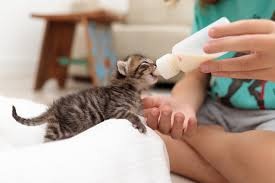
Once the kitten is warm, ensuring proper hydration and nutrition is essential. Bottle-feeding or syringe-feeding may be required if the kitten cannot nurse. Keeping the kitten in a clean and isolated environment can help prevent further complications.
Professional veterinary care should always be sought when symptoms persist. Treatment may include fluids, medications, or other supportive measures depending on the underlying cause. Early intervention significantly improves the chances of survival and recovery.
Conclusion
Fading Kitten Syndrome is a serious challenge that every breeder must be prepared to handle, especially during the neonatal stage. By understanding the causes, recognizing early symptoms, and implementing preventive measures, breeders can greatly improve survival rates. Quick response, proper nutrition, and a clean, warm environment are essential components of care. With vigilance and timely veterinary support, it is possible to protect vulnerable kittens and give them the best start in life.
Leave a Reply