
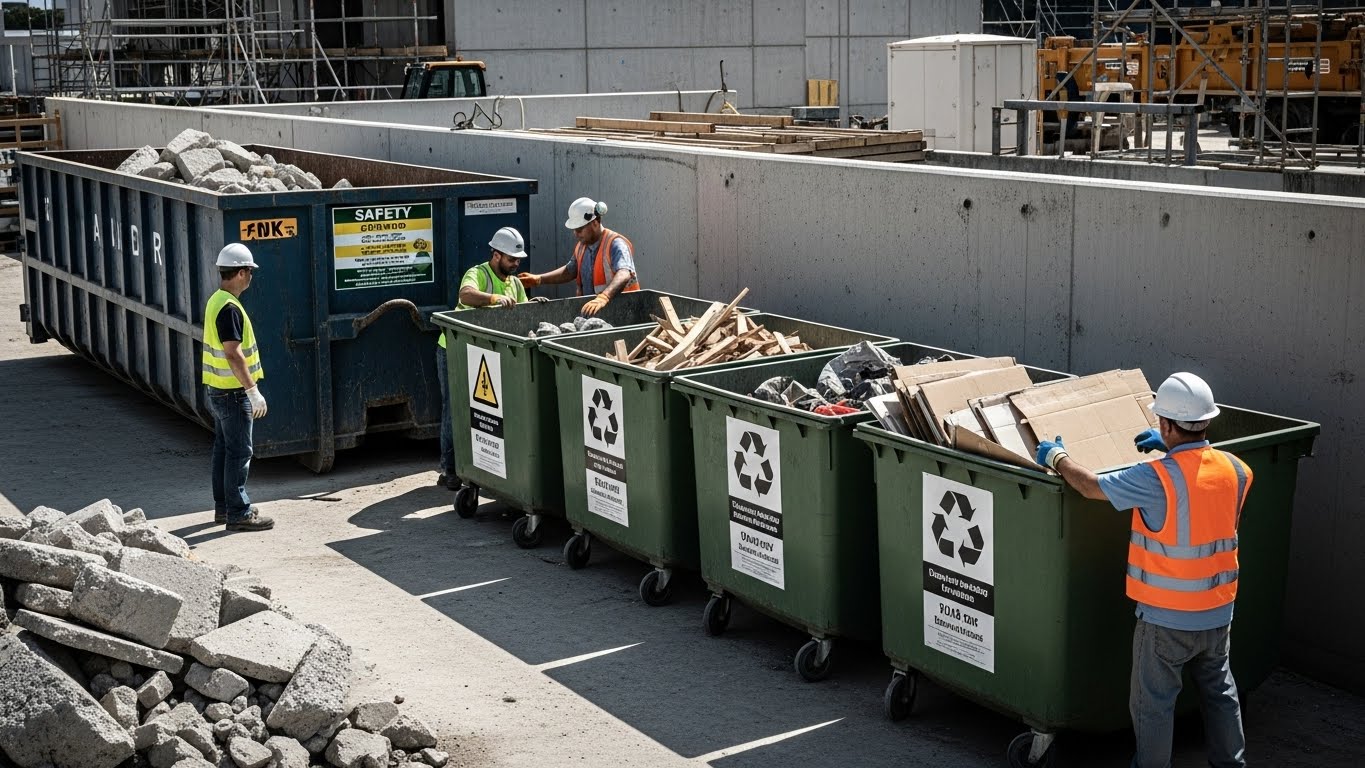
Construction debris is a big problem, not only for contractors but also for the planet. With each new road, house, or building comes an increasing amount of waste. Concrete, wood, or bricks can be used. These wastes are harmful to the environment. In addition to this, waste takes up an enormous amount of space in landfills. It is possible to conserve resources by disposing of construction materials properly.
Before starting a building project, builders make a detailed list of everything they will need. This list is known as a construction quantity takeoff. It helps to count and measure all the materials needed for the job. When this process is done carefully, there is less chance of overbuying or wasting materials. For example, if the builder knows exactly how many bricks or tiles are required, fewer extra pieces will remain unused. This step is very important for reducing waste even before construction begins.
By doing a construction quantity takeoff, builders can also plan better for recycling. They can note which materials can be reused later. This helps control costs and supports a cleaner worksite. A good plan always starts before the first hammer hits the nail, and this planning is what keeps waste from piling up later.
What Construction Waste are You Talking About?
All construction materials are acceptable. The materials can either be liquid or solid. You can use nails, concrete or plaster chunks, drywall, plastic sheets, and wood. Some of the materials used in this process can be harmful, including asbestos paints and chemicals.
Not all waste is worthless. Often, materials are reusable and recyclable. Separate the reusable materials from the waste. It is important to understand the construction waste in order to determine how best to dispose of it.
Properly Dispose of Your Waste
Building waste disposal is essential for the protection of both environmental and human health. Dumping waste in the river or on public land can pollute. Air and water are contaminated by these chemicals in dust form. It makes it easy for builders and contractors to follow local law. Violations of the laws could result in severe fines.
A second good reason is the ability to lower costs. You can buy fewer things when you recycle or reuse your materials. By reusing, recycling, and saving materials, you can save money on fuel as well.
Get Rid of Construction Materials in Different Ways
It is possible to dispose of construction materials in an environmentally friendly manner. There are several ways to dispose of construction waste. It all depends on what materials are available and how the rules have been set up.
Sorting & Separating
It is important that workers at a construction site divide the materials into several groups. For example, they should group wood and metal together, then concrete and plastic. It is easier to recycle and reuse the materials.
Recycling
Recycling is the transformation of waste materials into useful new materials. You can reuse crushed cement in road bases, for instance. For example, you can use metals like iron and copper to make new buildings. The wood can be turned into furniture or even boards to build with. Recycling is one of the best ways to reduce waste, save money, and raw materials.
Reusing
Some items, such as pipes, glass, window tile, and doors, can be recycled. Reusing products can be a great way to reduce costs and bring creativity into your new designs. This old wood beam from a demolished old house could become a beautiful shelf.
Donating
They can still be used in school or charity activities if the materials are in a good state. Many organizations take old materials and use them to build houses or community centers. So, by reusing materials, you are helping people in need.
Eco-Friendly Services for Disposal
Construction waste removal is best handled by companies that are experts in this field. Due to their expertise in trucks and equipment, these companies can handle large amounts of waste. Their attention to detail and caution in handling hazardous material is evident.
Safe Landfilling
As a last resort, landfilling can be used for wastes that are neither recyclable nor reusable. You should landfill waste only in government-approved areas where it can be handled and covered appropriately.
Handling Hazardous Waste Construction
Hazardous Construction Material includes anything that could harm human health and/or the environment. You can think of paints, batteries, or asbestos waste as examples. Do not mix with ordinary waste. Wearing safety gloves, a face mask, or a suit is required for workers to handle hazardous materials.
You should only send hazardous materials to approved facilities. These materials are harmful to the air, soil, and water when illegally disposed of or burned. For the most part, governments provide clear guidelines to ensure that these substances are handled properly. The rules that are enforced protect workers as well as the natural environment.
Recycling Construction Waste Is Beneficial
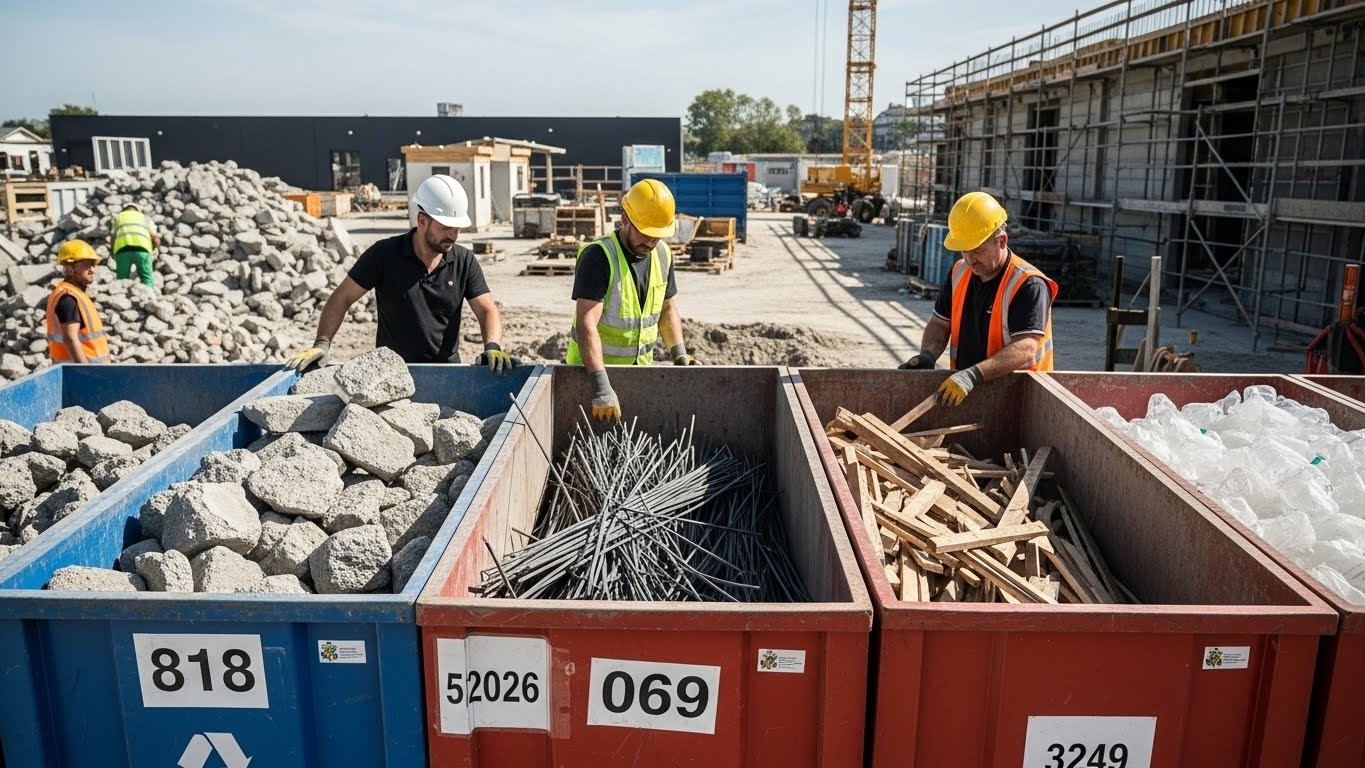
Recycling construction waste can have many benefits.
- Reduced mining of minerals and trees.
- This will reduce the amount of waste dumped in landfills.
- Reduce the cost of new materials.
- Recycling helps to improve the image of a business: It shows how much they care about our planet.
- The recycling center offers employment.
Recycling helps the builder to reduce emissions of carbon and create cleaner air.
Plan for Waste Disposal
Construction work should begin before implementing the most effective waste management. Contractors are encouraged to develop waste management strategies during project planning. This plan should include:
- What materials will you use?
- Determine how you want to dispose of your garbage.
- Selecting partners in recycling and waste disposal.
- Estimating costs for handling waste
- Training in safety is vital for every worker.
The right planning will help you to save time as well as money.
Common Mistakes You Should Avoid
When handling construction waste, contractors often make simple mistakes. Simple mistakes lead to more complex problems. Check out these common mistakes.
- Throwing all waste away without sorting.
- Local rules on waste disposal are important.
- Burning of waste materials on site
- Not being properly trained by workers in proper waste management.
- The budget of the project doesn’t include any waste costs.
The site will be cleaner, and it’s cheaper.
The Future of Construction Waste Management
With the advancement of technology, waste management in construction is also changing. The sorting process is faster with smart machines, and modern planning tools are helping contractors reduce unnecessary material usage right from the start. Many professionals now rely on accurate construction cost estimating services to perform detailed takeoffs and plan material quantities more precisely, which directly minimizes waste on-site.
Building materials of a new generation are recyclable and designed to reduce waste. Digital tools help plan projects more efficiently and save material by avoiding overordering and miscalculations. This shift is making construction not only faster but also more cost-effective and environmentally responsible.
The global community of governments, architects, and contractors has come together to support cleaner and more eco-friendly construction. Buildings will have to adopt sustainable lifestyles in the near future, where reducing waste is not just an option but a standard practice.
Final Thoughts
To understand how to eliminate construction materials isn’t just about following a rule. This involves a lot of responsibility. Builders, workers, and designers all play a key role in protecting our environment. No step should be overlooked, from careful planning to smart recycling. Managing waste correctly can help you turn it into a resource. It is cleaner. Savings on resources. Future generations live in a healthier environment.
FAQs
What types of waste are generated by construction?
Some of the main types are concrete, wood, plastics, metals, and glass.
How do construction materials get recycled?
Recycling involves reusing items, including crushed concrete used in road construction and metals, which are melted for reuse.
Why is Construction Waste Management important?
While saving money, it helps maintain the safety and security of construction sites.
Leave a Reply