
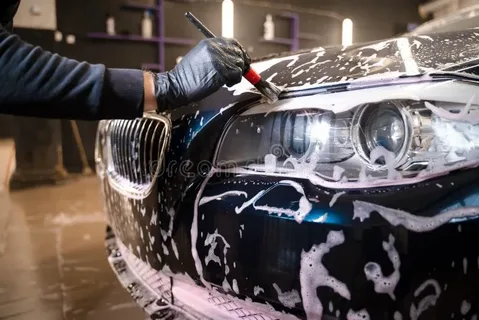
Car Detailing Step-by-Step Look at How Cars Are Restored and Protected
A car can be freshly washed and still look tired. Dull paint, faint scratches, stained seats and cloudy glass all survive a standard rinse. Car detailing goes further, treating the vehicle as a collection of surfaces that each need specific care. This guide explains how a detailing job unfolds, the options you can choose from and how to keep results fresh.
Detailing in Simple Terms
Car detailing is a systematic cleaning, restoring and protecting process carried out with specialist products and tools. Rather than focusing on speed, a detailer works slowly and carefully, panel by panel, so that every area from the roof to the carpet receives attention. The goal is a vehicle that looks sharp, feels fresh and is better protected against daily wear.
How an Exterior Detail Unfolds
1. Wheels First
Wheels are cleaned before the body because brake dust and road grime are heavy. Doing them first prevents splashing dirt onto clean paint.
2. Pre-Rinse and Foam
A foam layer softens loose dirt and lifts it away, reducing the chance of scratching during the hand wash.
3. Careful Hand Wash
Soft mitts and separate rinse water keep grit away from the paint surface.
4. Chemical Decontamination
Special cleaners dissolve iron particles and tar that normal shampoo leaves behind.
5. Clay Treatment
A clay bar or mitt glides over the paint to pull out remaining bonded contamination, leaving the surface smooth to the touch.
6. Paint Polishing
Polishing reduces swirl marks, light scratches and dullness. Machine polishers allow controlled correction, restoring clarity and depth.
7. Protective Layer
The finish is sealed with wax, a synthetic sealant or a ceramic coating to repel dirt and water.
How an Interior Detail Unfolds
- Dry clean-up: Loose items are removed and every surface is brushed and vacuumed.
- Hard surfaces: Dashboard, console and door panels are cleaned with gentle products.
- Fabric care: Seats and carpets are treated to lift stains and trapped dirt.
- Leather care: Leather is cleaned, then conditioned to stay supple.
- Glass and screens: Windows and displays are cleaned without streaks.
- Odor treatment: Persistent smells are tackled at the source.
- Final protection: UV-resistant dressings help prevent fading and cracking.
Upgrade your vehicle’s appearance and road presence with high-quality body kits designed to give your car a more distinctive and stylish look.
Picking a Service Level
- Package Best suited for Focus
- Express detail Cars in good condition Light clean inside and out
- Standard full detail Regular owners Deep clean plus protection
- Paint enhancement Dull or swirled paint Polishing for gloss
- Coating package Long-term protection Correction plus ceramic coating
- Pre-sale detail Selling the car Maximum presentation
Wax, Sealant or Ceramic Coating?
Wax gives a warm shine but wears off quickly. Sealants are synthetic and last longer, with a sharper finish. Ceramic coatings form a tougher layer that resists chemicals, water spots and light contamination for years when maintained, though the upfront cost is higher. Your choice depends on budget, how long you will keep the car and how much maintenance you want to do.
Benefits You Can Expect
- Better looks: Cleaner, glossier paint and fresher interiors
- Surface protection: Less exposure to bird droppings, sap and road film
- Higher resale appeal: Buyers notice a well-kept car
- Healthier cabin: Less dust, allergens and odors
- Easier upkeep: Protected paint washes faster
What Influences Time and Cost
Vehicle size, existing condition and chosen services are the biggest factors. A compact car with light dirt needs far less work than an SUV with pet hair, spills and heavy swirl marks. Paint correction and coatings add hours or days. Request a formal quote that details everything that is included.
Choosing a Detailer
Look for before-and-after photos, genuine reviews and clear explanations of products and methods. Ask how they protect your car during the job and what guarantees they give. Be wary of very cheap packages that skip steps or rush the work.
Aftercare Tips
Wash by hand using pH-neutral shampoo and clean microfiber towels. Avoid abrasive automatic car washes. Park in shade when possible, wipe spills quickly and vacuum regularly. Follow your detailer’s advice on topping up protection.
Frequently Asked Questions (FAQs)
1. What is car detailing?
It is a thorough cleaning and safeguarding procedure for the outside and inside of a car.
2. How is detailing different from washing?
A wash removes surface dirt, while detailing restores and protects surfaces in much greater depth.
3. How long does it take?
From a few hours for a basic detail to several days for correction and coating work.
4. How often should I detail my car?
Many owners do a full detail once or twice a year, with regular maintenance washes in between.
5. Can detailing remove scratches?
Light scratches and swirls can be polished away, but deep scratches may need professional paint repair.
6. Is ceramic coating worth it?
It can be, thanks to long-lasting protection and easier cleaning, though it costs more initially.
7. Should I give my vehicle a description before selling it?
Yes, a clean, well-presented car often attracts more interest and better offers.
Final Thoughts
Car detailing combines cleaning, correction and protection to keep a vehicle looking its best. Choose the right service level, pick a trusted detailer and maintain the finish with gentle care.For more information on choosing the right car detailing , explore this helpful external resource for detailed guidance and expert tips.
Leave a Reply