
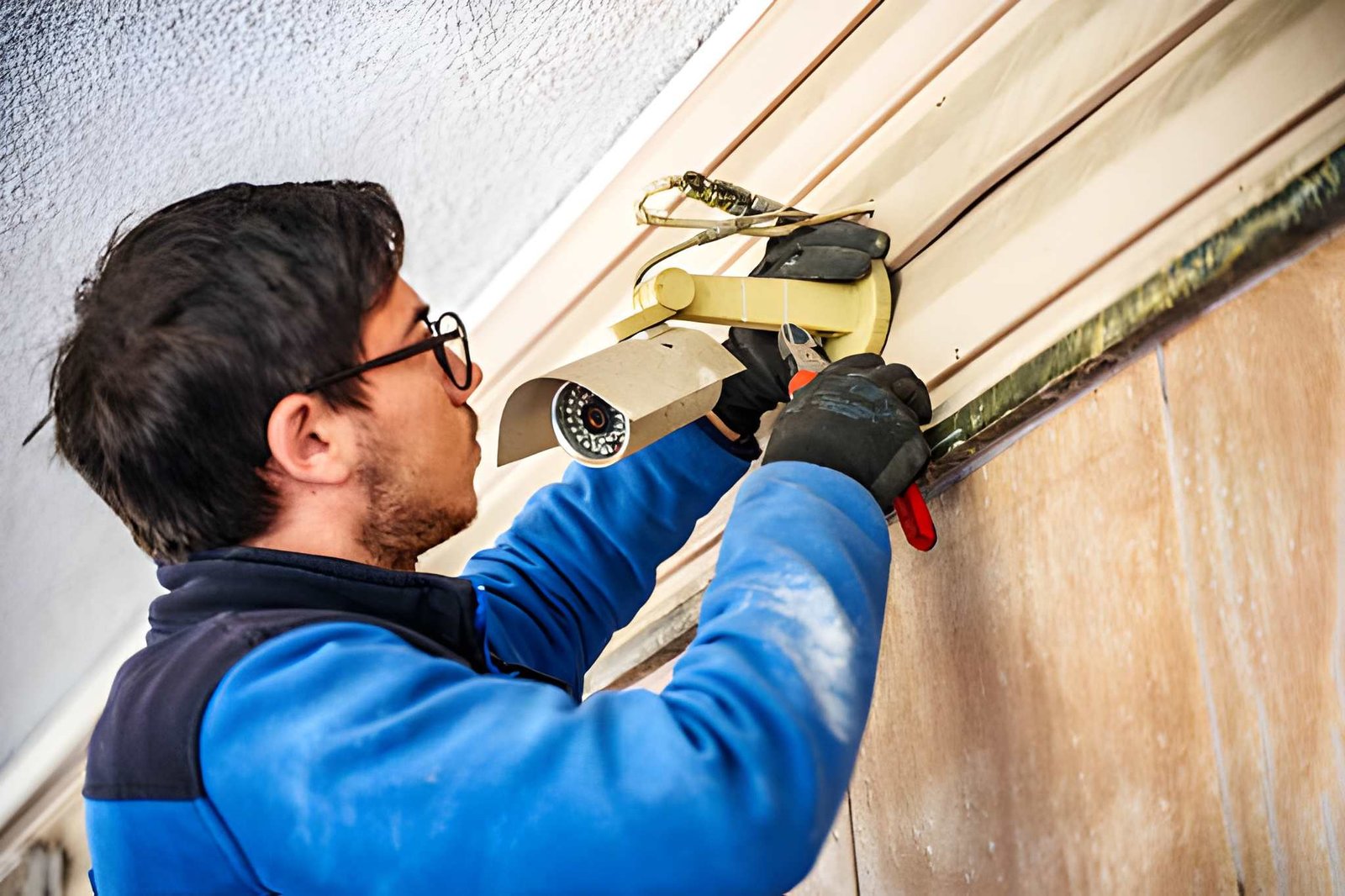
Dubai’s skyline is dotted with cameras. Villas in Arabian Ranches and Emirates Hills, retail units in Al Quoz, warehouses in Jebel Ali, and towers across Business Bay all rely on video surveillance as a basic layer of protection. The hardware is widely available and increasingly affordable, which has created a market where almost anyone can claim to offer CCTV installation. Yet the gap between a system that merely records and one that protects is created almost entirely by the installation. Understanding what professional CCTV installation services in Dubai should deliver is the best defence against paying twice for the same job.
Why Installation Quality Decides Performance
A CCTV camera is only as good as its position, its power supply, its network connection, and its configuration. Poorly placed cameras produce footage that cannot identify a face or a number plate. Undersized networks drop frames. Unsealed connectors fail after a summer of heat and humidity. Default passwords leave video feeds open to outsiders. None of these faults are caused by the camera brand, and all of them are avoidable with competent installation.
Modern systems are predominantly IP-based. Each camera encodes video itself and sends it over Ethernet, usually powered through the same cable by Power over Ethernet (PoE). This delivers high resolution, remote viewing, and built-in analytics, but it also turns surveillance into a network engineering task as much as an electrical one.
The Professional Installation Process
A well-run project follows a clear sequence.
1. Site survey and risk assessment. Installers walk the property to identify entry points, blind spots, lighting conditions, and mounting surfaces. Each camera is assigned a purpose, such as general awareness, facial identification, or number plate capture, because each demands different lenses and resolution.
2. System design and written scope. The survey produces a camera plan, a list of equipment, cable routes, storage calculations, and a retention target. This document should be in the client’s hands before work begins.
3. Cabling and mounting. Cat6 cabling is the common choice, kept within the 100-metre Ethernet limit unless fibre or extenders are used. Outdoor runs belong in conduit to protect against sunlight and rodents. Cameras are typically mounted high enough to deter tampering, often between 2.5 and 4 metres, but not so high that steep angles obscure facial detail.
4. Recorder, switch, and storage setup. A network video recorder (NVR) or server stores footage on surveillance-grade drives built for continuous writing. Capacity depends on camera count, resolution, frame rate, compression, and retention days. H.265 compression can substantially reduce storage needs compared with older codecs, though results vary with scene activity.
5. Cybersecurity hardening. Default credentials are replaced, firmware is updated, unused services are disabled, cameras are placed on a separate network segment, and remote access runs through encrypted channels such as a VPN or secure relay rather than open port forwarding.
6. Commissioning and handover. Image quality is tested at different times of day, motion alerts are verified, remote access is confirmed on mobile devices, and playback is checked. The client should receive a network diagram, administrator credentials, and instructions for exporting footage.
Designing for Dubai’s Climate
Conditions in the emirate punish weak specifications. Summer heat pushes outdoor equipment close to its limits, coastal humidity attacks connectors, and fine desert dust infiltrates poorly sealed housings. Professional installers choose outdoor cameras with suitable ingress protection (IP66 or higher is common), wide operating temperature ranges, and corrosion-resistant fittings. Exposed connections are housed in sealed junction boxes, and equipment racks in utility rooms or plant spaces are given adequate ventilation. Moisture ingress at a single RJ45 connector is a classic cause of intermittent faults months after handover, and it is entirely preventable.
Regulation and Privacy
CCTV in Dubai operates within a regulatory framework. The Security Industry Regulatory Agency (SIRA) sets requirements for security systems and service providers across much of the emirate, and many commercial and public-facing premises must meet its standards on equipment, installation, and recording. Federal data protection law also shapes how footage of identifiable individuals is stored, accessed, and shared.
In practical terms, cameras should not look into neighbouring private spaces, businesses should consider signage and retention policies, and installations should be performed by providers authorised for the work. Requirements differ by property type and are updated over time, so owners should confirm current obligations with their installer and the relevant authority before work starts.
Matching Installation to Property Type
Different properties call for different approaches.
- Villas and apartments: Perimeter, gate, and entrance coverage, with discreet placement and straightforward mobile access. Integration with video intercoms, smart locks, and lighting is common.
- Retail and hospitality: Coverage of tills, entrances, and stockrooms, with fast search and export for incident review and dispute resolution.
- Offices and corporate sites: Integration with access control and secure recording of sensitive areas.
- Warehouses and industrial sites: Long perimeters and vehicle movement, often needing PTZ cameras, analytics, and in some cases thermal units for reliable detection at distance.
- Construction sites: Temporary or relocatable systems with robust power and connectivity arrangements.
Analytics, Integration, and Remote Management
Analytics have moved from premium features to common expectations. Line crossing, intrusion zones, people and vehicle classification, and automatic number plate recognition help operators focus on genuine events rather than hours of uneventful footage. Properly tuned, they also reduce false alarms.
Integration extends the value further. For clients working with Smart Living Technology, CCTV can sit alongside home automation, access control, and alarms, so a camera event can trigger lighting, notify residents, or bring a gate camera onto an intercom screen. Remote health monitoring adds resilience by alerting the provider to offline cameras or failing drives before a gap in recording appears.
How to Evaluate a CCTV Installation Provider
A structured checklist reduces risk:
- Verify authorisation appropriate to your property type and emirate.
- Request comparable projects and, where possible, speak to existing clients.
- Insist on a written scope listing camera models, cable types, storage capacity, retention days, and commissioning steps.
- Check warranty and support terms, including response times.
- Confirm credential ownership and the documentation you will receive at handover.
- Compare specification, not price alone. The lowest quote often omits conduit, adequate storage, or proper testing.
Warning signs include providers who skip the site visit, cannot explain how remote access will be secured, or are vague about compliance.
Conclusion
CCTV installation services in Dubai should be judged by engineering discipline, not camera count. The strongest providers survey carefully, design for the local climate, harden the network, respect regulation, and remain available after handover. As analytics, cloud management, and smart-home integration continue to mature, systems installed with growth in mind will stay effective well beyond the end of 2027. For homes and businesses seeking that standard, Smart Living Technology delivers integrated surveillance, security, and automation solutions designed for the demands of Dubai.
FAQs
How long does CCTV installation take in Dubai?
A typical home system with four to eight cameras can often be completed in one to two days. Larger commercial or industrial projects take longer, depending on cable routes, civil work, and integration requirements.
What affects the cost of CCTV installation services?
Camera count, resolution, cable lengths, storage capacity, analytics, and site complexity all influence price. Outdoor conditions, conduit needs, and integration with other systems also play a part. A scoped quotation after a site survey is the reliable way to compare costs.
Why should I hire a professional instead of installing cameras myself?
Placement, network design, weatherproofing, and cybersecurity hardening all determine real-world performance. Poor installation leads to blind spots, intermittent faults, and exposed video feeds, problems that are expensive to correct later.
How can I make sure my CCTV system is secure from hackers?
Use unique strong passwords, keep firmware current, enable multi-factor authentication where available, place cameras on a separate network segment, and use encrypted remote access. Ask your installer to document these measures at handover.
What maintenance does a CCTV system need after installation?
Periodic lens cleaning, firmware updates, hard drive health checks, and review of recording and retention settings. A maintenance agreement helps catch faults early and keeps recordings reliable.
Leave a Reply