
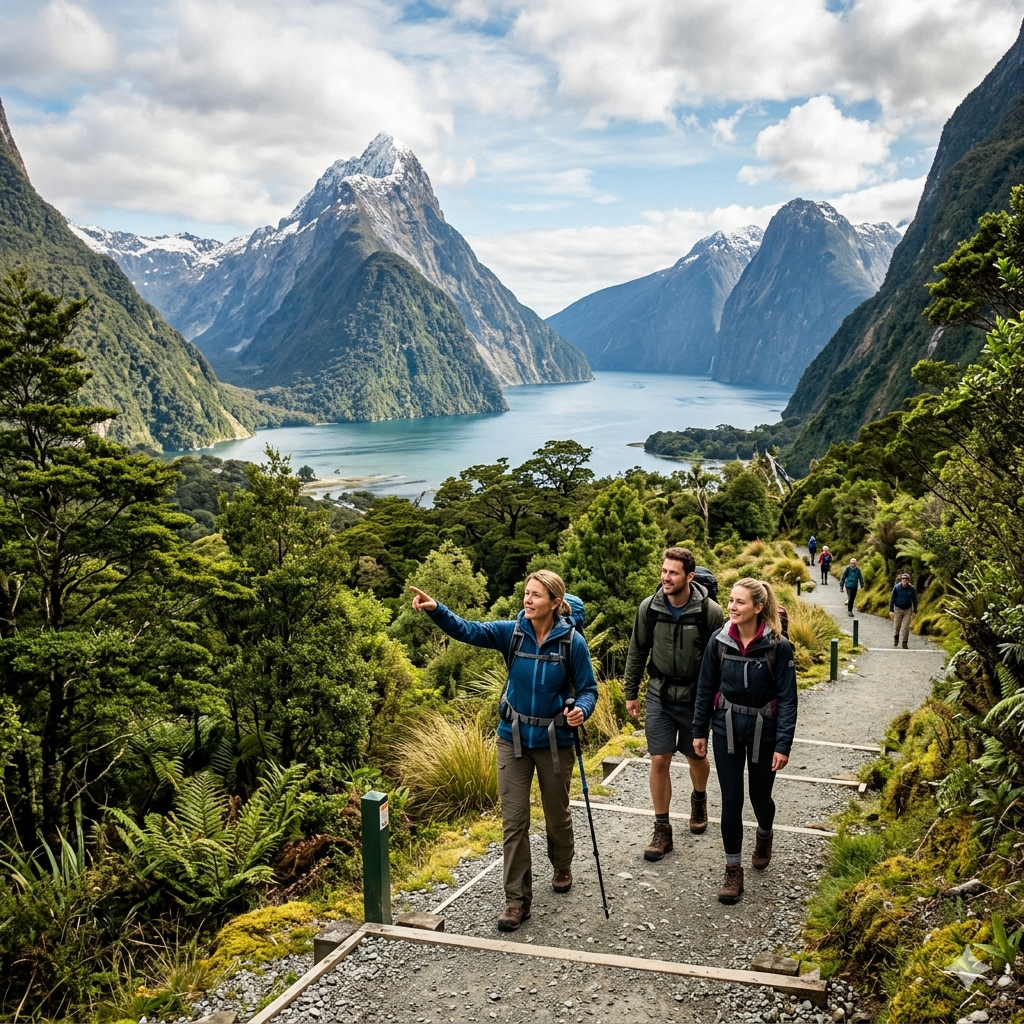
New Zealand is often described as the walking capital of the world. For those who seek to immerse themselves in nature, the archipelago offers a dramatic variety of landscapes that few other places on Earth can match. From the emerald rainforests of the West Coast to the volcanic plateaus of the Central North Island and the jagged, snow-capped peaks of the Southern Alps, the terrain is a playground for adventurers. While independent trekking is popular, guided walking tours have become the gold standard for travelers who want to dive deeper into the ecology, history, and hidden secrets of the “Land of the Long White Cloud.”
Selecting the right journey is essential for a fulfilling experience. As we look toward the upcoming travel seasons, New Zealand tour packages 2026–2027: coach Tours, self-drive vacations, luxury holidays & private guided experiences provide a comprehensive framework for every type of traveler. Whether you are looking for the camaraderie of a group or the solitude of a private guide, the options available are more refined and sustainable than ever before.
1. The Great Walks: Iconic Paths with Expert Insight
The “Great Walks” are New Zealand’s premier hiking tracks. These trails are maintained to a high standard by the Department of Conservation, but their popularity means that logistics can be a challenge. Opting for a guided tour on these routes removes the stress of securing hut permits and transporting heavy gear.
The Milford Track: The Finest Walk in the World
For over a century, the Milford Track has held a legendary status among hikers. Spanning 53 kilometers through the heart of Fiordland National Park, this journey follows glacial valleys and climbs over the alpine Mackinnon Pass. A guided experience here is transformative because it provides access to private lodges, which offer hot showers and gourmet meals, a stark contrast to the basic bunkrooms of independent tramping.
Guides on the Milford Track provide invaluable context regarding the unique flora, such as the Mount Cook Lily, and the cheeky Kea, which is the world’s only alpine parrot. Understanding the geological forces that carved these deep fiords adds a layer of appreciation that goes beyond the visual beauty.
The Routeburn Track: Alpine Splendor
If the Milford is about grand scale and waterfalls, the Routeburn Track is about breathtaking vistas. This 32-kilometer trail links Mount Aspiring National Park with Fiordland. Because it spends a significant amount of time above the treeline, hikers are treated to panoramic views of the Darran Mountains.
Professional guides are particularly useful on the Routeburn for safety. Weather in the Southern Alps can change within minutes; having an expert who understands cloud patterns and terrain ensures that your crossing of Harris Saddle is both safe and educational.
2. North Island Gems: Volcanic Wonders and Ancient Forests
While the South Island often steals the spotlight for hiking, the North Island offers a completely different, almost primordial aesthetic. The landscapes here are defined by geothermal activity and the deep cultural heritage of the Māori people.
Tongariro Northern Circuit
The Tongariro Alpine Crossing is frequently cited as the best one-day hike in the world, but the full multi-day Northern Circuit offers a much more immersive experience. Guided tours here explore a lunar landscape of active craters, brilliant emerald lakes, and steaming vents. According to Wikipedia, Tongariro was the first national park in New Zealand and the fourth in the world, recognized for both its natural and cultural significance.
The Whanganui Journey
Though technically a river journey, this is classified as one of the Great Walks. However, for those who prefer to keep their feet on the ground, the surrounding forests offer incredible guided walking opportunities. These tours often focus on “forest bathing” and indigenous plant medicine, led by guides who share the spiritual connection the local Iwi (tribes) have with the land.
3. Luxury and Private Guided Experiences
For many travelers in 2026 and 2027, the focus has shifted toward exclusivity and comfort. Modern guided tours are no longer just about the hike; they are about the holistic experience of the destination.
Heli-Hiking: Accessing the Untouched
One of the most significant trends in New Zealand tourism is the rise of heli-hiking. This involves taking a helicopter to a remote, high-altitude location that would otherwise take days to reach on foot. Once there, a private guide leads you across pristine glaciers or alpine meadows. This approach is highly efficient for those on a tight schedule who still want to experience the “wild” side of the country.
Wellness and Slow Travel
Many luxury walking tours now incorporate wellness elements. After a day of trekking through the Southern Beech forests of the Hollyford Valley, guests might return to a lodge for a yoga session or a soak in a natural hot spring. This analytical approach to travel recognizes that physical exertion is best paired with high-quality recovery. As noted by Forbes, the demand for “transformative travel” that combines physical challenge with high-end amenities is at an all-time high.
4. Planning and Sustainability for 2026–2027
As global interest in eco-tourism grows, New Zealand has positioned itself as a leader in sustainable trail management. The “Tiaki Promise” is a commitment that all visitors are encouraged to make, promising to care for the land and respect the culture.
Seasonal Considerations
The best time for guided walking tours remains the southern hemisphere’s summer (December through February); however, the shoulder seasons of October-November and March-April offer fewer crowds and crisp, clear air. Recent reports in Google News suggest that New Zealand is seeing a surge in autumn bookings, as travelers seek the stunning golden hues of the Central Otago region.
Choosing Your Package
When looking at New Zealand tour packages 2026–2027: coach Tours, self-drive vacations, luxury holidays & private guided experiences, it is important to match the tour to your fitness level. “Easy” walks typically involve 3 to 4 hours of movement on flat terrain, while “Advanced” tours may require 7 to 8 hours of steep climbing. A professional consultant can help bridge the gap between your expectations and the reality of the trail.
Conclusion
Hiking in New Zealand is more than just a physical activity; it is a pilgrimage to one of the last great wildernesses on Earth. Guided tours offer a bridge between the raw power of nature and the comfort of expert knowledge, ensuring that every step you take is informed by the history, geology, and culture of this incredible nation.
From the mist-heavy forests of Fiordland to the sun-drenched coasts of the Abel Tasman, there is a path waiting for you. Whether you choose a rugged multi-day trek or a refined luxury lodge experience, the memories of the New Zealand wilderness will stay with you long after you have returned home.
Leave a Reply