
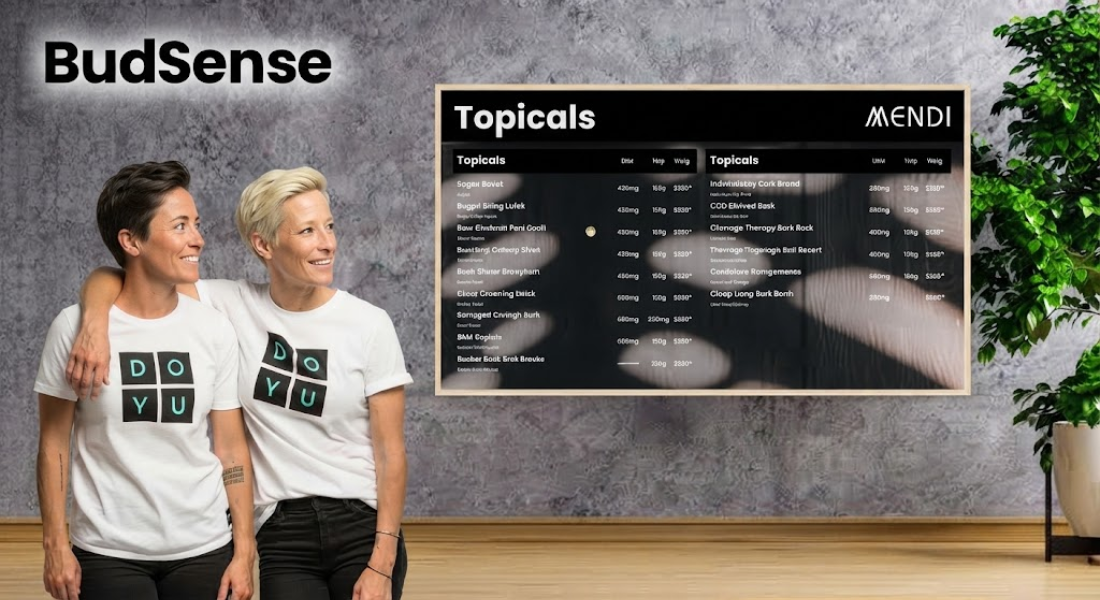
The cannabis industry has changed significantly in recent years, with new brands, products, and consumer conversations emerging across the wellness and lifestyle space. Among the names attracting attention are Rachael and Megan Rapinoe, who have become associated with Mendi, a brand focused on cannabinoid-based products and wellness.
For people interested in the connection between professional athletes, CBD, and the evolving cannabis market, their involvement offers an interesting example of how public figures can help bring greater visibility to alternative wellness products. Their story also reflects a broader shift in how consumers discuss cannabis, CBD, recovery, and everyday wellbeing.
Who Are Rachael and Megan Rapinoe?
Megan Rapinoe is widely recognized for her career as a professional soccer player and for her involvement in social and equality-focused causes. Her public profile has also contributed to interest in the businesses and projects she has been involved with outside professional sports.
Rachael Rapinoe, Megan’s twin sister, has built her own career in the wellness and sports space. Rather than simply being known as Megan Rapinoe’s sister, Rachael has developed professional experience connected to athletic performance and wellness.
The sisters became associated with Mendi, a CBD-focused company founded around the idea of making cannabinoid products part of a modern wellness routine.
This connection between athletics and CBD is particularly notable because athletes have increasingly become part of conversations surrounding cannabis-derived products. It demonstrates how the cannabis industry can intersect with sports, entrepreneurship, and consumer wellness.
The Role of Mendi in the CBD Market
Mendi has positioned itself within the growing CBD market by developing products intended for consumers interested in incorporating CBD into their routines.
Products such as Mendi CBD oil represent one of the formats that helped CBD become familiar to a wider audience. CBD products are available in many forms today, including oils, capsules, creams, gummies, and topical products.
The increasing variety reflects a broader change in consumer behavior. Instead of viewing cannabinoid products as a single category, consumers can now find different formats designed around different preferences and lifestyles.
For businesses operating in the cannabis sector, this creates a need to communicate product information clearly. Digital menus, product displays, and well-organized retail information can help consumers navigate an increasingly diverse marketplace.
Why Athlete Involvement Matters
The connection between Megan Rapinoe cannabis use and the broader CBD conversation has attracted attention because professional athletes traditionally operate under strict rules concerning substances and supplements.
It is important, however, to distinguish CBD products from cannabis products containing significant amounts of THC. CBD and THC are different cannabinoids, and products can vary considerably in their ingredients and concentrations.
Athletes also need to consider applicable sports regulations and product testing standards. A product’s label, certificate of analysis, ingredients, and compliance status can all be relevant when evaluating cannabinoid products.
The involvement of athletes such as Megan Rapinoe and Rachael Rapinoe therefore contributes to a larger public discussion about how cannabinoids are perceived within modern sports and wellness culture.
Rachael Rapinoe’s Wellness Background
Interest in Rachael Rapinoe extends beyond her connection to Megan. Her work in wellness and athletics has helped establish her as a separate voice in conversations around sports and healthy lifestyles.
Searches such as Rachel Rapinoe or even variations such as rapineo may lead people to information about the same public figure, although Rachael Rapinoe is the correct spelling.
Her connection to Mendi demonstrates how wellness entrepreneurs can use their professional experience to create businesses that appeal to consumers interested in modern approaches to self-care.
The story is also useful for understanding a wider business trend: consumers increasingly want brands to have recognizable founders, clear values, and a connection to real-world experiences.
What Makes CBD Different From Traditional Cannabis Products?
One reason CBD has gained considerable attention is that consumers often associate it with cannabis while overlooking the important differences between cannabinoids and products.
CBD, or cannabidiol, is one of the naturally occurring compounds found in cannabis plants. THC, or tetrahydrocannabinol, is another cannabinoid and is primarily associated with the intoxicating effects commonly linked with marijuana.
Because products differ in cannabinoid content, consumers should read labels carefully rather than assuming every cannabis-derived product has the same effects or ingredients.
This distinction is especially important when discussing topics such as Mendi CBD, Mendi CBD oil, or questions like “fuma marihuana?” that may arise when people search for information about cannabis and public figures.
Cannabis Retail Is Becoming More Information-Focused
As the cannabis market develops, retailers need more than shelves filled with products. Customers often want accessible information about product categories, brands, formats, and availability.
This is where digital retail technology can become valuable. BudSense, for example, focuses on solutions that help cannabis retailers present product information through digital displays and menus.
A well-designed digital menu can make it easier for customers to browse products without relying entirely on printed materials. Retailers can update information, highlight products, organize categories, and create a more flexible in-store experience.
For businesses interested in improving their retail presentation, learning more about digital cannabis menus and related technologies can provide useful context for the changing cannabis marketplace.
The Broader Influence of Public Figures
The impact of Megan and Rachael Rapinoe on cannabis-related conversations is part of a much larger trend involving athletes, entrepreneurs, and celebrities entering emerging industries.
Public figures can introduce new audiences to brands and product categories that consumers may not have previously considered. However, visibility does not replace the need for reliable product information.
Consumers should still evaluate cannabinoid products based on factors such as ingredients, labeling, testing information, applicable regulations, and individual circumstances.
This is particularly important in the cannabis industry, where regulations and product standards can differ between jurisdictions, including different regions of Canada and the United States.
Why Their Story Reflects a Changing Cannabis Industry
The story surrounding Rachael and Megan Rapinoe illustrates how the cannabis industry is becoming connected with areas far beyond traditional cannabis culture.
CBD brands, athletic communities, wellness businesses, and digital cannabis retailers now overlap in ways that were less common in the past. Consumers are also asking more questions about what products contain, how they are produced, and how they fit into everyday lifestyles.
Mendi’s association with the Rapinoe sisters provides one example of this shift. Meanwhile, companies such as BudSense demonstrate another part of the transformation: cannabis retailers are increasingly using technology to organize and communicate product information.
For additional information about BudSense and its cannabis retail solutions, visit the BudSense website.
Conclusion
The story of Rachael and Megan Rapinoe highlights how the modern cannabis industry extends beyond traditional marijuana businesses. Through Mendi and their connection to wellness and athletics, the sisters have been part of a broader conversation surrounding CBD and changing consumer interests.
At the same time, the cannabis retail industry is becoming increasingly technology-driven. Businesses need effective ways to organize products and communicate information, making digital menus and retail displays increasingly relevant.
As the market continues to evolve, consumers and retailers alike can benefit from focusing on accurate information, transparent product details, and responsible communication. The intersection of athletics, wellness, CBD, and cannabis technology shows just how diverse the modern cannabis industry has become.
Frequently Asked Questions
1. Who are Rachael and Megan Rapinoe?
Rachael and Megan Rapinoe are twin sisters known for their work in athletics, wellness, and entrepreneurship. Megan is a former professional soccer player, while Rachael has worked in sports and wellness.
2. What is Mendi CBD?
Mendi is a wellness brand associated with CBD and cannabinoid-based products. Its product range has been connected with conversations around CBD, sports, and modern wellness routines.
3. Is Megan Rapinoe associated with cannabis?
Megan Rapinoe has been publicly associated with Mendi, a CBD-focused wellness company. CBD and THC are different cannabinoids, so references to CBD should not automatically be interpreted as references to intoxicating cannabis use.
4. Is Rachael Rapinoe Megan Rapinoe’s sister?
Yes. Rachael Rapinoe is Megan Rapinoe’s twin sister and has developed her own professional background in athletics and wellness.
5. Why are athletes becoming involved with CBD brands?
Athletes and sports professionals have become increasingly involved in wellness businesses, including CBD brands. Their involvement has contributed to broader discussions about cannabinoids, sports, product transparency, and changing consumer attitudes.
Leave a Reply