
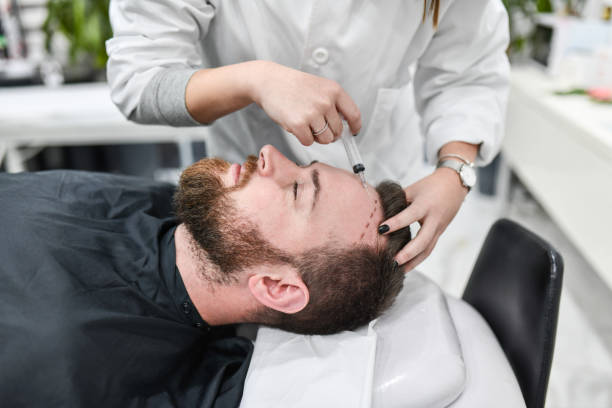
Introduction to Masculine Frame Design in Modern Hair Restoration
Hair restoration has evolved into a highly specialized discipline that integrates artistic vision with medical precision. Modern approaches no longer focus solely on replacing lost hair but instead aim to reconstruct the visual structure that frames the face. Masculine frame design is an advanced concept that considers the relationship between hairline architecture, facial geometry, and identity expression. In leading clinical environments, the Hair Transplant in Riyadh demonstrates how restoration strategies can enhance natural masculine characteristics while preserving authenticity and subtlety.
The masculine frame refers to the visual outline created by the hairline, temples, and density distribution across the scalp. This frame plays a crucial role in shaping facial perception, influencing how features appear balanced and proportionate. Experts increasingly recognize that effective hair restoration must align with the anatomical structure of the individual, ensuring that results complement natural characteristics. Riyadh’s progressive aesthetic sector continues to adopt identity-focused frameworks that emphasize harmony between biology and artistry.
Understanding the Structural Importance of the Masculine Frame
The masculine frame is a defining component of male facial identity because it influences symmetry, proportion, and overall visual strength. The hairline functions as a boundary that defines the upper contour of the face, while the temples contribute to structural balance. When hair loss alters these features, facial proportions may appear inconsistent with natural growth patterns. Restoration strategies therefore focus on recreating a balanced frame that aligns with masculine anatomical characteristics.
Specialists consider factors such as forehead height, cranial curvature, and bone structure when designing restoration patterns. The objective is to produce a hairline that reflects natural maturation rather than artificial symmetry. Masculine frame design in procedures like Hair Transplant in Riyadh often incorporates slightly angular contours that complement male facial features, creating a refined yet natural appearance. This structural awareness allows clinicians to achieve results that reinforce masculine identity while maintaining biological authenticity.
Hairline Architecture as the Foundation of Facial Balance
Hairline architecture plays a fundamental role in establishing facial balance and visual harmony. Riyadh experts increasingly emphasize the importance of designing hairlines that follow natural anatomical patterns rather than rigid geometric shapes. The curvature of the frontal hairline influences how facial proportions are perceived, particularly in relation to the forehead and brow region.
Advanced measurement techniques are often applied to evaluate the ratio between facial thirds, ensuring that hairline positioning aligns with anatomical guidelines. This approach allows clinicians to create a balanced visual framework that supports masculine features without exaggeration. Natural irregularities are often incorporated into the design to replicate biological growth patterns. By respecting anatomical variability, specialists ensure that restoration outcomes appear realistic and individualized.
Temple Design and Lateral Density Optimization
The temples play a critical role in shaping the masculine frame because they influence the contour of the face from multiple angles. Loss of density in the temporal region can alter facial structure by reducing the visual definition of the upper face. Restoration experts carefully plan graft placement in these areas to recreate natural transitions between the frontal hairline and lateral scalp regions.
Density optimization involves distributing follicles in a manner that supports gradual progression from lower density hairline edges to fuller mid-scalp coverage. This gradient approach reflects natural biological growth characteristics. Riyadh specialists often focus on maintaining subtle temple angles that align with masculine identity preferences. Proper temple restoration contributes to improved facial proportion and reinforces the visual structure associated with masculine maturity.
Precision Follicular Placement and Directional Accuracy
Precision follicular placement is essential for achieving natural-looking results that integrate seamlessly with existing hair patterns. Each follicle must be positioned according to specific angulation and direction characteristics that mimic natural growth behavior. Directional accuracy ensures that transplanted hair aligns with surrounding follicles, preventing visual inconsistencies.
Advanced magnification technologies allow clinicians to control placement depth and spacing with exceptional precision. Proper angulation contributes to the realistic appearance of density and texture. Riyadh experts prioritize meticulous placement techniques that support long-term stability and structural coherence. This level of technical refinement demonstrates how modern hair restoration integrates scientific precision with aesthetic understanding.
Donor Area Preservation and Structural Consistency
Maintaining the integrity of the donor region is essential for ensuring consistent density across the scalp. Advanced extraction techniques allow clinicians to harvest follicles without creating noticeable thinning in donor areas. Low-trauma methods help preserve follicular structure, improving graft survival rates and maintaining uniform appearance.
Donor preservation strategies also contribute to the sustainability of restoration results. By carefully selecting follicles that match texture and thickness characteristics, specialists are able to maintain continuity between transplanted and existing hair. Structural consistency ensures that the masculine frame remains cohesive across different regions of the scalp. These technical considerations highlight the importance of balanced resource management in modern restoration planning.
Artistic Interpretation of Masculine Identity in Hairline Design
Hair restoration involves a significant artistic component that requires sensitivity to individual identity characteristics. Masculine frame design often incorporates subtle asymmetries that replicate natural hair growth variation. Experts recognize that overly symmetrical hairlines may appear artificial, reducing the authenticity of results.
Artistic interpretation allows clinicians to create designs that complement facial expression patterns and personality traits. The curvature of the hairline, density distribution, and temporal angles are carefully considered to achieve visual harmony. Riyadh specialists frequently emphasize understated refinement that enhances natural features without drawing attention to the procedure itself. This artistic approach aligns with contemporary aesthetic preferences for subtle improvement.
Technological Advancements Enhancing Treatment Precision
Technological innovation has significantly improved the accuracy of modern hair restoration procedures. Digital imaging tools allow clinicians to simulate hairline designs before treatment, enabling patients to visualize potential outcomes. High-resolution planning software assists in determining optimal graft distribution patterns that support structural balance.
Robotic assistance technologies are increasingly utilized to improve placement consistency and reduce variability. These systems help ensure that follicular positioning aligns with pre-designed frameworks. The integration of advanced technology enhances procedural reliability and supports predictable outcomes. Riyadh’s medical sector continues to adopt these innovations to maintain high standards of precision and patient satisfaction.
Psychological Influence of Masculine Frame Restoration
The visual structure of the hairline contributes significantly to self-perception and confidence. Restoration of the masculine frame often influences how individuals perceive their appearance in professional and social environments. Balanced hairline architecture may enhance self-assurance by reinforcing identity consistency.
Experts acknowledge the psychological importance of achieving natural results that align with personal expectations. Personalized consultation processes allow individuals to communicate aesthetic preferences and desired identity characteristics. By addressing emotional considerations alongside technical factors, clinicians are able to create outcomes that contribute to overall satisfaction and confidence.
Future Innovations in Masculine Frame Restoration Techniques
Research in regenerative medicine continues to explore new technologies that may enhance the effectiveness of masculine frame design strategies. Artificial intelligence-based planning tools are being developed to analyze facial geometry and recommend optimal hairline structures. These technologies may allow clinicians to achieve even greater precision in restoration design.
Advancements in follicular regeneration science may also expand treatment possibilities in the future. Improved understanding of cellular behavior could lead to new methods for increasing graft survival and density consistency. These innovations demonstrate the ongoing evolution of hair restoration as a multidisciplinary field that combines biology, technology, and aesthetic science.
Conclusion: Precision and Identity in Masculine Frame Design
Masculine frame design represents a sophisticated advancement in modern hair restoration, emphasizing harmony between facial structure, density distribution, and identity expression. By combining anatomical accuracy, artistic sensitivity, and technological innovation, specialists are able to create results that enhance masculine features while maintaining natural authenticity. The growing demand for the Hair Transplant in Riyadh reflects increasing awareness of identity-focused restoration strategies that prioritize subtle refinement and long-term structural balance.
As techniques continue to evolve, masculine frame design is expected to remain a central concept in advanced hair restoration planning. The integration of precision medicine with aesthetic artistry ensures that modern procedures support both functional and visual harmony. Through careful planning and individualized execution, contemporary hair transplant methods continue to redefine how aesthetic medicine enhances confidence, identity, and personal expression.
Leave a Reply