
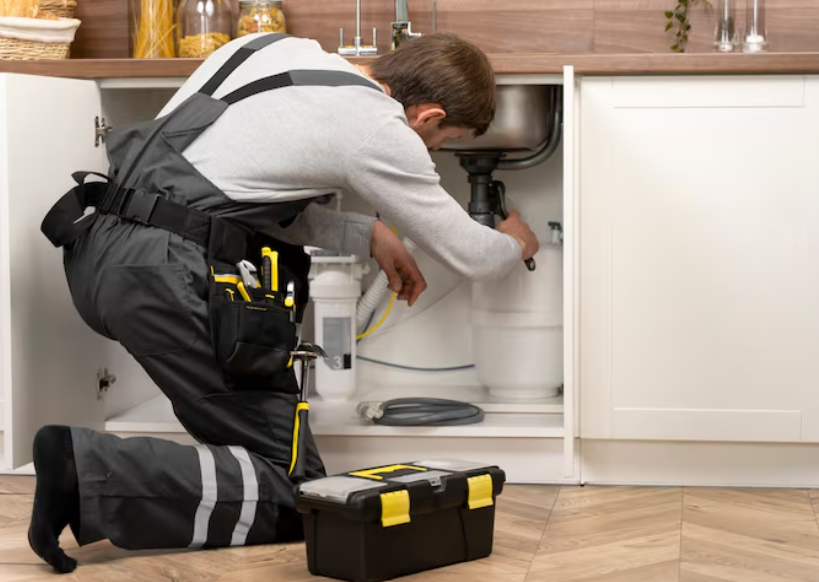
A well-maintained plumbing system is essential for a comfortable, clean, and functional home. From delivering fresh water to removing wastewater efficiently, plumbing plays an important role in everyday activities. Homeowners rely on their sinks, toilets, showers, water heaters, and drainage systems throughout the day. When something goes wrong, even a small plumbing issue can quickly become an inconvenience. Professional residential plumbing repair and regular drain maintenance help prevent unexpected problems, protect household property, and keep plumbing fixtures working properly.
Understanding the Importance of Residential Plumbing Repair
Residential plumbing systems contain interconnected pipes, valves, fixtures, and appliances that must work together efficiently. Over time, these components can experience wear and tear, corrosion, leaks, blockages, or other forms of damage. Addressing these problems early can help homeowners avoid expensive repairs and unnecessary water waste.
Professional residential plumbing repair can resolve a wide range of issues, including leaking faucets, running toilets, damaged pipes, low water pressure, malfunctioning water heaters, and faulty plumbing connections. Although some problems may appear minor, ignoring them can lead to more serious complications. For example, a small pipe leak can gradually damage cabinets, flooring, drywall, and other nearby materials.
Timely repairs also help maintain water efficiency. A dripping faucet or continuously running toilet may waste a considerable amount of water over time. Repairing faulty components can reduce unnecessary water consumption while helping homeowners manage their utility expenses.
Another important advantage of professional plumbing services is accurate problem identification. Experienced plumbers can examine the affected area, determine the underlying cause, and recommend an appropriate solution. Rather than repeatedly addressing the same symptom, homeowners can receive repairs designed to improve the overall reliability of their plumbing system.
Common Plumbing Problems Homeowners Experience
Plumbing problems can occur in any home, regardless of its age or size. Understanding common warning signs allows homeowners to seek assistance before a situation becomes more serious.
Leaking pipes are among the most frequent household plumbing concerns. Leaks may develop because of corrosion, loose fittings, excessive water pressure, temperature changes, or aging materials. Some leaks are easy to notice, while others remain hidden behind walls or beneath floors. Unexplained increases in water bills, damp spots, musty odors, and visible water stains may indicate a concealed leak.
Clogged sinks and slow-draining tubs are other common concerns. Hair, soap residue, food particles, grease, and other materials can gradually restrict water flow. When blockages become severe, water may collect in sinks or showers, making everyday household activities difficult.
Toilet problems can also interrupt normal routines. A toilet that runs continuously, flushes poorly, or leaks around its base may require professional attention. Replacing worn internal components or correcting installation problems can restore proper operation.
Water heaters may develop issues such as inconsistent temperatures, unusual noises, leaks, or insufficient hot water. These problems can result from sediment buildup, worn components, or other mechanical concerns. A qualified plumber can inspect the unit and determine whether maintenance or repair is appropriate.
Why a Professional Drain Cleaning Service Matters
Drains carry wastewater away from household fixtures and into the appropriate drainage system. When drains become restricted, water cannot move through the pipes as efficiently as it should. A professional drain cleaning service helps remove accumulated debris and restore normal drainage.
Kitchen drains frequently collect grease, cooking oils, food particles, and soap residue. Although these materials may enter the drain in small quantities, they can gradually build up along the inside of pipes. Pouring grease down the sink can make the problem worse because it may cool, harden, and trap other debris.
Bathroom drains often become clogged with hair, soap deposits, toothpaste residue, and personal care products. These materials can combine into dense obstructions that slow drainage or prevent water from passing through completely.
Professional drain cleaning addresses these issues using methods suited to the type and location of the blockage. Depending on the situation, a plumber may use mechanical drain-cleaning equipment, specialized tools, or other appropriate techniques. For more persistent problems, a camera inspection may help identify obstructions, pipe damage, or other conditions affecting drainage.
Routine drain maintenance can also help homeowners identify developing problems before they cause significant disruption. However, repeated clogs may indicate a deeper issue, such as damaged piping, root intrusion, or a blockage farther along the drainage line. In these situations, simply clearing the immediate obstruction may not provide a lasting solution.
Recognizing Signs of Drainage Problems
Drainage problems often develop gradually. Paying attention to early warning signs can help homeowners arrange service before a blockage becomes severe.
One common sign is slow drainage. If water takes longer than usual to disappear from a sink, bathtub, or shower, debris may be accumulating inside the pipe. Persistent gurgling noises can also indicate trapped air or a drainage restriction.
Unpleasant odors coming from drains may result from accumulated organic material, residue, or problems with the plumbing system. Although occasional odors may have simple explanations, persistent smells deserve further investigation.
Another warning sign is recurring blockage. If a drain becomes clogged repeatedly despite previous attempts to clear it, there may be an underlying problem that requires professional diagnosis.
Multiple slow drains or simultaneous backups may suggest a blockage in a shared drain line or the main sewer line rather than an isolated fixture. If wastewater backs up into a bathtub, shower, or floor drain, homeowners should stop using affected fixtures and contact a qualified plumber promptly.
Preventive Maintenance for a Healthier Plumbing System
Preventive maintenance is one of the most effective ways to reduce plumbing emergencies. Small, consistent habits can help protect pipes, fixtures, and drainage systems from avoidable damage.
Homeowners should avoid pouring cooking grease, oils, coffee grounds, and large food scraps into kitchen drains. Using sink strainers can catch food particles before they enter the pipes. In bathrooms, drain covers help prevent hair and other debris from accumulating inside the plumbing system.
It is also important to monitor water pressure. Excessively high pressure can place additional stress on pipes, valves, and appliance connections. A plumber can measure household water pressure and recommend adjustments when necessary.
Regularly inspecting exposed pipes, faucet connections, and the areas beneath sinks can reveal leaks before they cause extensive damage. Homeowners should also pay attention to changes in water pressure, unusual plumbing noises, and unexplained moisture.
Scheduling a drain cleaning service when recurring buildup becomes noticeable can help maintain proper drainage. At the same time, periodic plumbing inspections can identify worn components, deteriorating pipes, and other concerns that may eventually require repairs.
Chemical drain cleaners should be used cautiously because some products can damage certain piping materials, create safety hazards, or complicate subsequent repairs. Mechanical cleaning and professional evaluation are often better options for persistent blockages.
Choosing the Right Plumbing Professional
Selecting a qualified plumbing professional is important for achieving reliable results. Homeowners should look for appropriate licensing where required, relevant experience, clear communication, and a willingness to explain recommended work.
Before repairs begin, ask for an explanation of the suspected problem, the proposed solution, and the expected cost. Understanding the available options helps homeowners make informed decisions about maintenance and repairs.
It is also helpful to choose a provider who can address both fixture-related issues and drainage concerns. A professional familiar with residential plumbing repair can evaluate leaks, damaged pipes, faulty fixtures, and other household plumbing problems. Access to drain-cleaning expertise is equally valuable when slow drains or recurring blockages affect the home.
Reliable service should focus on identifying the cause of a problem rather than recommending unnecessary work. Clear estimates, careful workmanship, and appropriate testing after repairs help homeowners feel confident that their plumbing system is functioning correctly.
Conclusion
A dependable plumbing system supports the comfort, cleanliness, and safety of every household. Leaks, clogged drains, damaged pipes, and malfunctioning fixtures can interfere with daily routines and potentially cause costly property damage when left unaddressed.
Investing in timely residential plumbing repair helps correct existing problems, improve water efficiency, and protect the long-term condition of household plumbing. Meanwhile, a professional drain cleaning service can remove troublesome buildup, restore efficient drainage, and help identify deeper problems before they become more disruptive.
By recognizing warning signs, practicing responsible plumbing habits, and arranging professional maintenance when needed, homeowners can reduce unexpected plumbing issues and maintain a more reliable home environment. Consistent care and timely attention are practical steps toward keeping household water systems operating efficiently for years to come.
Leave a Reply