
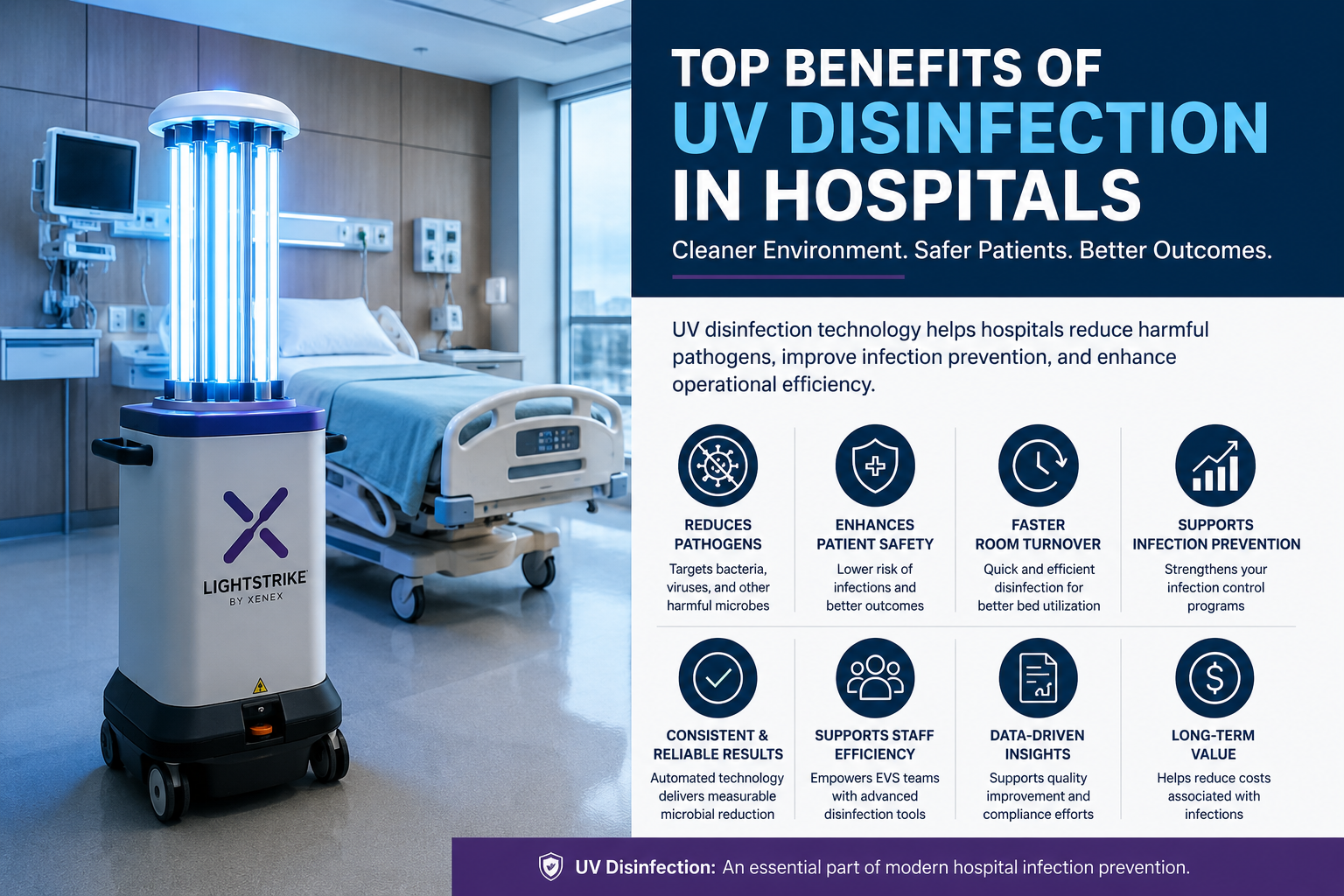
Healthcare facilities face constant challenges in maintaining clean and safe environments for patients, visitors, and staff. As concerns about healthcare-associated infections (HAIs) continue to grow, hospitals are increasingly turning to advanced technologies to strengthen their infection prevention strategies. One of the most effective innovations in recent years is automated UV disinfection. Solutions such as those offered by Xenex have transformed the way hospitals approach environmental hygiene and microbial reduction. By integrating automated UV disinfection into cleaning protocols, healthcare facilities can significantly improve patient safety and operational efficiency.
Organizations looking to enhance their infection prevention programs are increasingly adopting advanced solutions like the Xenex LightStrike UV disinfection system, which utilizes pulsed xenon UV technology to reduce harmful pathogens in healthcare environments.
Understanding Automated UV Disinfection
Automated UV disinfection uses ultraviolet (UV) light technology to reduce microorganisms on surfaces and in patient care environments. Unlike traditional manual cleaning methods that rely solely on chemical disinfectants, UV disinfection systems provide an additional layer of protection by targeting bacteria, viruses, fungi, and other pathogens that may remain after routine cleaning.
Modern hospitals are increasingly adopting automated UV disinfection because it offers a consistent, efficient, and evidence-based approach to environmental cleaning.
Enhanced Infection Prevention
One of the most significant benefits of automated UV disinfection is its ability to support infection prevention efforts. Healthcare-associated infections remain a major concern for hospitals worldwide, impacting patient outcomes and increasing healthcare costs.
Automated UV systems help reduce the presence of pathogens commonly associated with healthcare settings, including:
- Methicillin-resistant Staphylococcus aureus (MRSA)
- Clostridioides difficile (C. diff)
- Vancomycin-resistant Enterococci (VRE)
- Multidrug-resistant organisms (MDROs)
By reducing environmental contamination, hospitals can strengthen their infection control programs and help minimize the risk of pathogen transmission.
Improved Patient Safety
Patient safety remains a top priority for every healthcare facility. Environmental surfaces frequently touched by patients and healthcare workers can become reservoirs for harmful microorganisms.
Automated UV disinfection helps create cleaner patient rooms, operating rooms, intensive care units, and emergency departments. By enhancing environmental hygiene, hospitals can provide safer care environments and support better patient outcomes.
Patients and their families increasingly expect healthcare facilities to implement advanced technologies that demonstrate a commitment to safety and quality care. UV disinfection supports these expectations by providing an additional safeguard against environmental contamination.
Consistent and Reliable Disinfection
Manual cleaning processes can vary depending on staff training, workload, and human factors. Even experienced environmental services teams may inadvertently miss high-touch surfaces during routine cleaning.
Automated UV disinfection systems help standardize the disinfection process by delivering consistent microbial reduction throughout a room. Because the technology operates according to programmed cycles, hospitals can achieve more reliable results compared to relying solely on manual methods.
This consistency is particularly valuable in high-risk healthcare environments where maintaining strict hygiene standards is critical.
Reduced Pathogen Transmission
Pathogens can spread through contaminated surfaces, contributing to cross-contamination between patients, healthcare workers, and visitors. Automated UV disinfection helps break the chain of transmission by reducing microorganisms that may survive traditional cleaning methods.
As part of a comprehensive infection prevention strategy, UV disinfection can help healthcare facilities:
- Reduce environmental contamination
- Support hand hygiene initiatives
- Enhance cleaning effectiveness
- Improve overall infection control outcomes
The ability to target hard-to-reach areas further strengthens the effectiveness of automated UV technology.
Faster Room Turnover
Hospital efficiency plays a critical role in patient care delivery. Delays in room availability can impact admissions, transfers, and overall patient flow.
Automated UV disinfection systems are designed to operate efficiently, allowing environmental services teams to disinfect rooms quickly after patient discharge. Faster room turnover can help healthcare facilities optimize bed utilization while maintaining high cleaning standards.
This benefit is especially valuable during periods of high patient volume when hospitals must balance operational demands with infection prevention requirements.
Supports Environmental Services Teams
Automated UV disinfection is not intended to replace manual cleaning. Instead, it serves as a powerful supplement that enhances existing cleaning protocols.
Environmental services professionals remain essential to maintaining healthcare facility cleanliness. UV technology provides these teams with an additional tool that helps improve the effectiveness of their efforts.
By integrating automated disinfection systems into standard workflows, hospitals can support staff productivity while improving environmental hygiene performance.
Data-Driven Infection Prevention Programs
Modern healthcare organizations increasingly rely on data and evidence-based practices to improve outcomes. Automated UV disinfection technologies can support these initiatives by providing measurable and repeatable disinfection processes.
Healthcare leaders can incorporate UV disinfection into broader quality improvement programs focused on:
- Infection prevention
- Patient safety
- Environmental hygiene
- Risk reduction
- Regulatory compliance
This data-driven approach helps hospitals demonstrate their commitment to continuous improvement and healthcare excellence.
Long-Term Operational Benefits
While infection prevention remains the primary objective, automated UV disinfection can also contribute to long-term operational benefits. Reduced infection risks may help healthcare facilities lower costs associated with extended hospital stays, readmissions, and infection management.
Additionally, hospitals that invest in advanced disinfection technologies often strengthen their reputation for patient safety and innovation. As healthcare continues to evolve, adopting proven technologies can provide a competitive advantage in delivering high-quality care.
The Future of Hospital Disinfection
Healthcare environments are becoming increasingly complex, requiring innovative solutions to address emerging infection prevention challenges. Automated UV disinfection represents an important advancement in environmental cleaning and pathogen reduction.
As hospitals continue to prioritize patient safety, operational efficiency, and quality outcomes, UV disinfection technologies are expected to play an increasingly important role in comprehensive infection prevention programs. By combining traditional cleaning practices with advanced UV solutions, healthcare facilities can create safer environments for everyone who enters their doors.
Conclusion
Automated UV disinfection has become a valuable component of modern hospital infection prevention strategies. From reducing pathogen transmission and improving patient safety to supporting environmental services teams and enhancing operational efficiency, the benefits are substantial. As healthcare facilities seek more effective ways to maintain clean and healthy environments, automated UV disinfection technology offers a reliable and evidence-based solution that supports both clinical and operational goals.
Hospitals that embrace advanced environmental hygiene technologies today are better positioned to meet the challenges of tomorrow while delivering safer, higher-quality patient care.
Leave a Reply