
Introduction
Finding the right dress for an evening that actually matters isn’t the same as scrolling through a fast-fashion rack. When the occasion calls for something more considered, you want fabric that moves the right way, a silhouette that flatters without trying too hard, and details you can only get when someone actually thought about the person wearing it.
That’s the whole idea behind luxury cocktail attire — dresses built with intention, not just inventory. Whether you’re headed to a gallery opening, a milestone birthday, or a black-tie-adjacent dinner, the difference shows the moment you walk in the room.
What Makes a Cocktail Dress Feel Luxurious
There’s a reason some dresses photograph beautifully but feel disappointing in person, while others do the opposite. It usually comes down to construction. A truly refined piece has internal structure you never see — boning, hand-finished seams, linings cut on the bias so the dress skims rather than clings.
Price alone doesn’t guarantee this, but craftsmanship almost always does. Luxury also lives in restraint. The best cocktail dresses rarely try to do everything at once. A dress with dramatic sleeves usually keeps the neckline simple. One with heavy embellishment tends to stay quieter in silhouette.
According to Vogue’s guide to dress codes, cocktail attire sits in that flattering middle ground between casual evening wear and full formalwear, which is exactly why the details matter so much — there’s less room to hide behind a rule as strict as “black tie.”
Silhouettes That Define Sophisticated Evening Style
Not every body wants the same shape, and honestly, that’s the fun part of shopping for something special. A-line and fit-and-flare cuts remain reliable because they skim rather than squeeze, which makes them easy to move in for hours at an event.
Sheath dresses do the opposite job — they’re for someone who wants a cleaner, more architectural line and doesn’t mind a bit more structure through the hip. Then there are the pieces built around asymmetry: a single side of draping, an uneven hem, a diagonal seam that catches the light differently depending on how you’re standing.
These are harder to design well, which is exactly why they tend to show up in smaller, designer-driven collections rather than mass-market racks. A ruched silk dress with a slightly off-center hemline, for instance, reads as effortless precisely because getting that “effortless” look right takes real pattern-cutting skill.
Fabrics and Craftsmanship Worth Investing In
Fabric choice changes everything about how a dress behaves — how it photographs under low light, how it sounds when you walk, even how it wrinkles by 11 p.m. Silk remains the gold standard for cocktail dresses because it holds dye beautifully and drapes without adding bulk; Britannica’s overview of silk production explains why the fiber’s smooth structure gives it that signature sheen no synthetic quite replicates.
Tulle and chiffon do something different. They add volume and movement without weight, which is why so many embellished evening pieces build on a tulle base rather than a heavier fabric. Duchesse satin, meanwhile, sits at the more structured end — it holds a sharper line, which makes it a favorite for jackets and fitted bodices meant to stay crisp through a long evening.
None of these fabrics are interchangeable, and a good design house chooses the one that suits the silhouette rather than defaulting to whatever’s cheapest to source.
Embellishments That Elevate a Simple Dress
Beading, embroidery, and sequin work are where a dress goes from “nice” to “I need to know where you got that.” Hand embroidery in particular takes real time — a single floral motif on a bodice can represent hours of stitching, which is part of why hand-executed detailing costs more than anything machine-applied.
Glass beadwork, metallic thread, and dimensional floral appliqués all fall into this category, and they age differently too. Hand beading tends to stay secure through years of wear, while glued-on embellishments often shed sequins after a season or two.
There’s also a quieter kind of embellishment worth mentioning: strategic cutouts, sheer paneling, or a keyhole neckline. These don’t need sparkle to make an impact — they just need to be placed with intention, which again comes back to design skill rather than trend-chasing.
Layering Pieces for a Complete Cocktail Look
A dress doesn’t have to do all the work alone. Bolero jackets, cropped silk toppers, and embroidered overlays give an outfit range — you can arrive with more coverage and shed a layer once the evening warms up. This matters more than people expect, especially for events that move between an outdoor cocktail hour and an indoor reception.
A well-made jacket in silk or velvet, finished with the same embroidery language as the dress underneath, also solves a practical problem: it lets one dress serve two occasions. Pair it with the dress for a formal dinner, then wear the dress alone for something a touch more relaxed. It’s a small styling trick that makes an investment piece feel less like a one-time purchase.
Why Made-to-Order Cocktail Attire Makes a Difference
Off-the-rack sizing assumes a standard body that, frankly, doesn’t exist. Made-to-order changes the equation by producing the selected design after the order is placed rather than relying on finished inventory. With a designer fitting, individual measurements and proportions may also be addressed where appropriate. That’s a meaningfully different experience than altering a dress that was never built with your proportions in mind to begin with.
This is where a house like does something most retailers simply can’t. Their approach centers on made-to-order eveningwear and personalized service, and clients purchasing Lavanya Coodly designs through the atelier may arrange a complimentary fitting with the designer in New York City by appointment — a rare level of personal attention in an industry that’s mostly moved toward standardized sizing and impersonal service. Himelhoch’s® Atelier
For anyone shopping for a dress they actually want to feel right in, not just look right in photos, that kind of hands-on process is hard to overstate.
How to Choose the Right Dress for Your Occasion
Start with the venue, not the dress. A rooftop event calls for something that won’t fight the wind, while a seated dinner gives you more freedom to wear a fitted silhouette or a longer hemline. Lighting matters too — deep jewel tones and metallics read beautifully under evening light, while pale, soft shades can wash out under fluorescent venue lighting.
Comfort deserves more weight in the decision than most people give it. A dress that pinches at the waist by hour two will ruin even the most flattering silhouette. If you’re unsure between two options, ask which one you could sit, dance, and hold a conversation in without adjusting it every ten minutes. That’s usually the right answer.
Frequently Asked Questions
What’s the difference between cocktail attire and formal evening wear?
Cocktail attire generally means knee-length to midi dresses in refined fabrics, while formal evening wear typically calls for floor-length gowns. Cocktail dresses can still be elaborate — beaded, embroidered, layered — but the shorter length keeps them a notch more relaxed than black-tie formalwear.
How do I know if a fabric will hold up over multiple wears?
Natural fibers like silk and high-quality tulle tend to last longest when cared for properly — dry cleaned rather than washed, and stored on padded hangers rather than folded. Hand-finished seams also hold up better over time than glued or fused construction.
Is made-to-order worth it for a single event?
If you plan to wear the piece more than once, or you have a body shape that standard sizing rarely fits well, made-to-order pays off quickly in both fit and longevity. It’s less about the occasion and more about wanting a dress that actually feels tailored to you.
What colors work best for evening cocktail events?
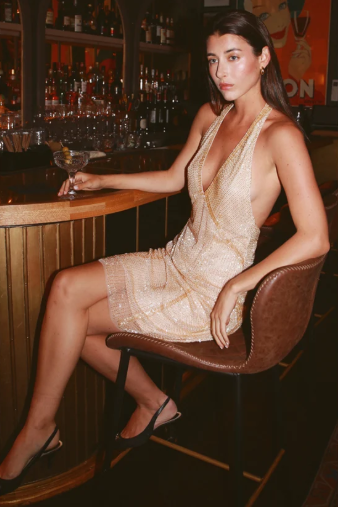
Deep jewel tones — sapphire, burgundy, emerald — photograph beautifully under low light and read as more formal than pastels. Metallics and champagne tones also perform well for evening settings, especially with beading or embroidery that catches the light.
Final Thoughts
A great cocktail dress isn’t really about following a trend cycle — it’s about finding a piece with construction, fabric, and detailing that hold up under real scrutiny: good lighting, close conversation, hours on your feet.
Whether you gravitate toward a clean silk sheath or an elaborately embroidered tulle gown, the pieces that feel worth the investment are almost always the ones built around the person wearing them, not a generic size chart. That’s the difference between a dress you wear once and one you reach for again and again.
Leave a Reply