
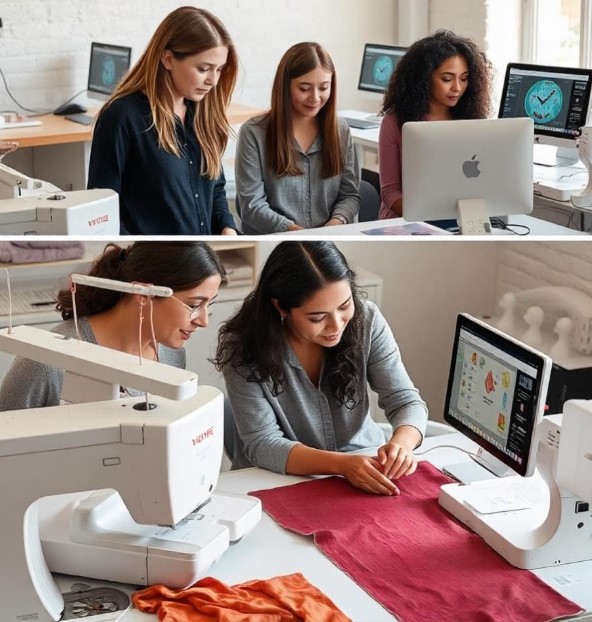
Embroidery is a great way to show a brand logo on fabric. Many shops, teams, and small firms use stitched logos on shirts, caps, and bags. A clean stitch logo looks neat and lasts a long time. But a logo image cannot go straight to an embroidery machine. It needs a few steps first.Many people ask about How to Convert a Logo into VIP File when they start with machine embroidery.
This step is part of the full process that turns a normal image into a stitch file. A stitch file tells the machine how to place each stitch on fabric.In this guide, we will walk through the full process. The steps are simple and clear. If you follow them, you can turn a logo into a clean and strong embroidery design.
Why Logos Need Preparation for Embroidery
A logo that looks great on a screen may not stitch well on fabric. Screens can show fine lines and small shapes. But thread and fabric have limits.
When a logo is prepared for embroidery, it is changed into stitches. This process makes sure the design will stitch well on fabric.
Key Reasons for Logo Preparation
- Machines read stitch files, not image files.
- Tiny details must be cleaned or simplified.
- Colors must match thread colors.
- Stitch paths must be set for smooth sewing.
Without this step, the machine may produce messy or broken stitches.
Understanding Embroidery File Formats
Embroidery machines do not use normal image files like JPG or PNG. They use stitch formats.
A stitch format tells the machine where to move and where to stitch.
Common Embroidery File Types
Some common formats include:
- DST
- PES
- JEF
- EXP
- VIP
Each machine brand reads different file types.
For example, some Husqvarna machines use VIP files.
This is why the design must be saved in the correct format for the machine.
Step 1: Start with a High-Quality Logo
A good design starts with a clear image.
Use a Clean Logo File
Choose a logo that is sharp and not blurry.
Vector files work best. Examples include:
- AI files
- EPS files
- SVG files
These files keep the shape clean when resized.
Avoid Low Quality Images
Pixel images with low quality can cause problems during digitizing. Small shapes may become unclear.
Step 2: Simplify the Logo Design
Many logos have small lines or fine text.
These details may not stitch well.
Remove Tiny Elements
Small text or thin lines may break during stitching. It is best to remove or enlarge them.
Merge Small Shapes
Combining shapes can make the design stronger.
Keep the Design Balanced
A simple logo often stitches better than a complex one.
Step 3: Choose the Right Size
Size is very important for embroidery.
Small Designs
Caps and sleeves need small designs. Tiny details must be reduced.
Medium Designs
Polo shirts and jackets can hold medium-sized logos.
Large Designs
Large logos work well on jackets and bags.
Before digitizing, decide where the design will be stitched.
Step 4: Select Thread Colors
Thread colors must match the logo.
Embroidery thread comes in many shades.
Match Brand Colors
Try to match the brand colors closely.
Limit the Number of Colors
Too many color changes can slow production.
Simple logos with fewer colors stitch faster.
Step 5: Begin the Digitizing Process
Digitizing is the main step in preparing a logo for embroidery.
It converts the design into stitch paths.
What Happens During Digitizing
The digitizer traces the logo parts. Each section becomes stitches.
Important settings include:
- Stitch type
- Stitch direction
- Stitch density
- Underlay stitches
This step requires skill and experience.
Many embroidery businesses use Embroidery Digitizing Services in USA – Digitizing Buddy because expert digitizers understand how machines behave.
Good digitizing helps avoid stitch problems later.
Step 6: Choose the Correct Stitch Types
Different parts of the logo need different stitches.
Running Stitch
Used for thin lines and small details.
Satin Stitch
Used for borders, text, and narrow shapes.
Fill Stitch
Used for large areas of color.
The right stitch type improves the final look of the design.
Step 7: Set Stitch Direction
Stitch direction affects the texture of the design.
Changing direction can create light and shadow effects.
For example:
- Fur patterns
- Fabric folds
- Shaded logos
Proper stitch direction also prevents fabric pulling.
Step 8: Adjust Stitch Density
Density means how close the stitches are.
Too Dense
Too many stitches can cause thread breaks.
Too Loose
Too few stitches may leave gaps.
A balanced density keeps the design smooth and strong.
Experienced digitizers adjust density based on fabric type.
This is why many embroidery shops trust Embroidery Digitizing Services in USA – Digitizing Buddy to prepare machine-ready designs.
Step 9: Add Underlay Stitches
Underlay stitches sit under the top stitches.
They help support the design.
Benefits of Underlay
- Stabilizes fabric
- Improves stitch quality
- Prevents design movement
- Makes shapes more clear
Underlay is an important step in professional digitizing.
Step 10: Run a Test Stitch
Testing is very important.
Even a well-digitized design may need small fixes.
What to Check During Testing
Look at the design closely.
Check for:
- Thread breaks
- Uneven stitches
- Fabric puckering
- Gaps in the design
Testing allows you to adjust the design before final production.
Choosing the Right Fabric
Different fabrics behave in different ways.
Cotton
Cotton is easy to stitch and stable.
Polyester
Polyester works well for sportswear.
Denim
Denim is strong and great for bold logos.
Caps
Caps need special digitizing for curved surfaces.
Good digitizing accounts for fabric type.
Stabilizers for Better Embroidery
Stabilizers support the fabric during stitching.
Without them, fabric can move.
Common Stabilizers
- Cut-away stabilizer
- Tear-away stabilizer
- Wash-away stabilizer
Each type works for different fabrics.
Choosing the right stabilizer improves stitch quality.
Common Mistakes to Avoid
Beginners often make small mistakes.
Here are some common ones.
Using Low Quality Logos
Blurry images lead to poor embroidery results.
Too Many Small Details
Tiny shapes are hard to stitch.
Wrong Stitch Density
This can cause thread breaks.
Skipping Test Stitching
Testing helps catch errors early.
Avoiding these mistakes saves time and materials.
Benefits of Professional Logo Digitizing
Professional digitizing offers many benefits.
Clean Stitch Paths
Experts plan the stitch order carefully.
Better Design Quality
Experienced digitizers understand thread behavior.
Faster Production
Good files run smoothly on embroidery machines.
Fewer Machine Problems
Balanced designs reduce thread breaks.
Many businesses rely on Embroidery Digitizing Services in USA – Digitizing Buddy for reliable and clean embroidery files.
Their experience helps produce consistent embroidery results.
Real Experience from Embroidery Projects
In real embroidery work, the preparation stage matters the most.
Many beginners try automatic conversion tools. These tools may create messy stitch paths.
Manual digitizing gives much better results.
Experienced digitizers know where to place stitches and how to adjust density.
This skill comes from working with many fabrics and machines.
Good preparation helps the design stitch smoothly and look professional.
Tips for Beginners
If you are new to logo embroidery, start with simple designs.
Practice With Simple Logos
Avoid complex logos at first.
Use Good Thread
High-quality thread reduces breakage.
Keep Designs Balanced
Simple designs often stitch best.
Test on Scrap Fabric
Testing on spare fabric saves materials.
These small steps build confidence and skill.
Final Thoughts
Preparing a logo for embroidery is a careful process. It starts with a clear logo and ends with a tested stitch file.
Each step matters. Simplifying the design, choosing the right size, and selecting the correct stitches all help create a clean result.
Digitizing is the most important part of the process. Skilled digitizers know how to guide stitches so the machine runs smoothly.
If done correctly, a logo can look sharp and professional on shirts, caps, jackets, and bags.
With the right approach and expert help when needed, any logo can become a strong and beautiful embroidery design that lasts for years.
Leave a Reply